
A Comprehensive Guide to Choosing the Right Garage Cabinets
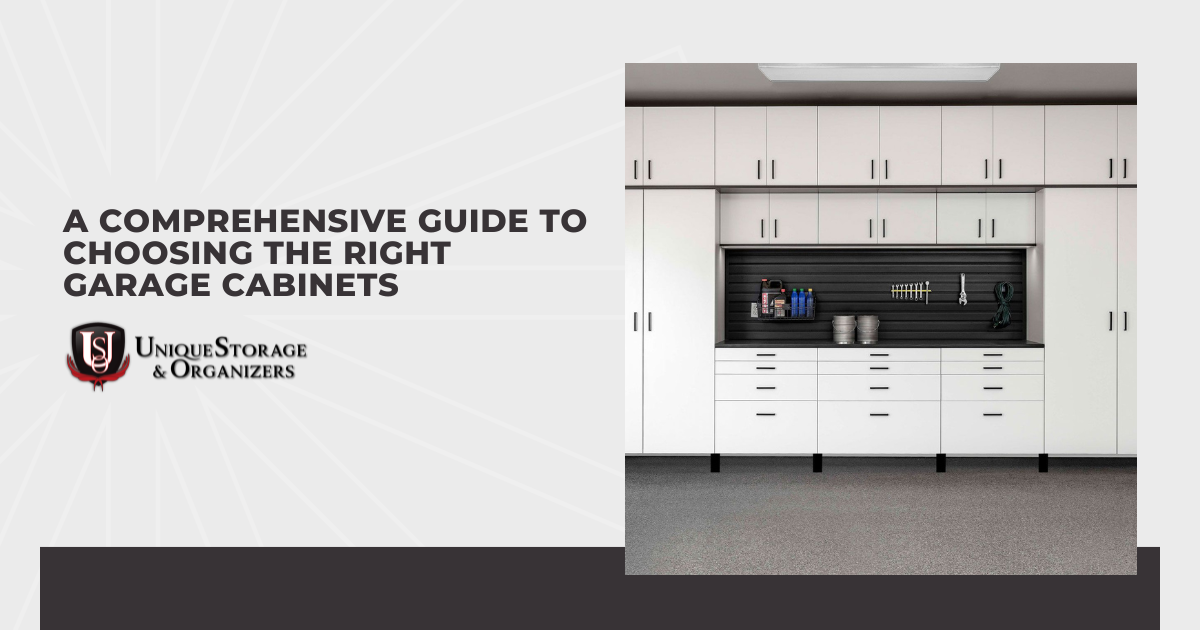
Choosing the right garage cabinets can make a major difference in how functional and organized a garage feels. As someone who designs and installs garage storage systems, I know the cabinets need to match the space, the storage needs, and how the garage is used day to day. A cabinet system that works well in one garage may not work the same way in another.
That’s why it helps to understand what to look for before making a decision.
Several factors can influence which garage cabinets will work best in your space. Storage needs, available wall space, cabinet materials, layout options, and built-in features all play a role. Taking the time to evaluate these elements can help narrow down the options and prevent storage setups that don’t fully support how the garage is used.
In this guide, I’ll walk through the key considerations that can help you choose garage cabinets that are practical, durable, and suited for your garage.
- Understand your garage storage needs
- Measure and evaluate your garage space
- Choose the right type of garage cabinets
- Select the best cabinet materials
- Consider cabinet layout and configuration
- Evaluate storage features and functionality
- Pick a style that matches your garage
- Plan for future storage needs
Let’s go through these factors one by one to help you choose the right garage cabinets for your space.
Understand Your Garage Storage Needs
Before choosing garage cabinets, it helps to start with a simple question: What exactly needs to be stored in the garage? Every household uses this space differently, so the types of items can vary quite a bit. Some garages mainly hold tools and hardware, while others store sports gear, gardening supplies, seasonal bins, or outdoor equipment.
A helpful first step is to take a quick inventory of what’s currently in the garage. Grouping items into categories such as tools, household supplies, and seasonal storage can make it easier to see how much cabinet space might be needed. This also helps identify which items should stay within easy reach and which can be stored farther back or higher up. Clear categories can make the storage plan much easier to visualize.
Another factor to consider is how frequently certain items are used. Tools that come out regularly work best in cabinets or drawers that are easy to access. Items used only a few times a year can be placed in higher cabinets or deeper storage sections. This kind of arrangement helps keep everyday items within reach while reducing clutter.
From my perspective as someone who designs garage storage systems, starting with a clear inventory makes cabinet planning much easier. It helps determine how much storage is actually required and which cabinet styles will work best. This step also prevents cabinets from becoming overcrowded later on. A well-organized plan creates a better foundation for the rest of the garage layout.
Measure and Evaluate Your Garage Space
Before choosing garage cabinets, it helps to look closely at the space available in your garage. The amount of wall space, ceiling height, and overall layout can influence what type of cabinets will fit comfortably. Even a cabinet system that looks great on paper can create problems if it interferes with parking space or daily movement. Taking a few measurements early on helps avoid layout issues later.
Start by measuring the length and height of the walls where cabinets might be installed. Pay attention to garage doors, windows, electrical panels, and utility areas that may limit cabinet placement. These features often determine where cabinets can realistically go. Having clear measurements makes it easier to plan the cabinet layout.
It also helps to think about how the garage is used throughout the day. Space should remain available for parking, walking paths, and any work areas inside the garage. Cabinets should support how the garage functions instead of making the space feel crowded. Leaving enough room to move around keeps the garage practical and comfortable.
I suggest making a simple sketch of the garage with the main measurements marked. Even a quick drawing can help you picture where cabinets might fit and how much storage space is available. Seeing the layout on paper makes it easier to plan cabinet placement before making final decisions.
Choose the Right Type of Garage Cabinets
Garage storage works best when different cabinet styles support different types of items. Some cabinets help keep the floor clear, while others provide stronger storage for heavier tools or bulky equipment. Understanding the advantages of each option can make it easier to design a cabinet system that works smoothly in your garage.
- Wall-Mounted Cabinets:
To keep the garage floor open and easier to clean, many storage setups include wall-mounted cabinets installed above ground level. This design keeps tools and supplies accessible while freeing up valuable floor space.
- Base Cabinets:
For storing heavier tools and equipment, base cabinets provide a stable storage option because they sit directly on the floor. Adding a countertop above them can also create a practical work surface inside the garage.
- Tall Storage Cabinets:
Garages that need more vertical storage can benefit from tall storage cabinets, which extend higher along the wall. These cabinets help store ladders, long-handled tools, and bulky equipment in one enclosed space.
- Modular Cabinet Systems:
With modular cabinet systems, the storage setup is built from individual cabinet units that can be arranged in different ways. This flexibility allows the cabinet layout to adapt if storage needs change over time.
- Built-In Cabinet Systems: Some garages use built-in cabinet systems that are designed to follow the wall layout more closely. This type of installation creates a continuous storage wall and gives the garage a more integrated appearance.
Using a mix of cabinet types can create a more balanced storage system. Combining different cabinet styles helps maximize space while keeping tools, equipment, and supplies easier to organize.
Select the Best Cabinet Materials
The material used to build garage cabinets can influence durability, appearance, and long-term performance. Garages often experience temperature changes, moisture, and heavier storage loads, so the cabinet material needs to handle those conditions. Looking at the strengths of each option can help narrow down which material fits your garage best.
- Steel Cabinets:
For garages that need strong and durable storage, steel cabinets provide excellent strength and resistance to dents, pests, and moisture. This makes them a solid option for storing heavier tools, equipment, and frequently used items.
- Plywood Cabinets:
A balance of strength and versatility can often be found in cabinets built from plywood. This material holds screws and hardware securely, which makes it a reliable option for cabinet structures that need to support heavier storage.
- Medium-Density Fiberboard (MDF) Cabinets:
A smooth and uniform cabinet surface can be achieved using MDF, an engineered wood product made from compressed wood fibers. Cabinets made with MDF are commonly used when a clean painted or laminated finish is desired.
- Laminate-Finished Cabinets: For garages where appearance and easy maintenance are important, cabinets finished with laminate surfaces can be a practical choice. Laminate finishes help protect cabinet surfaces from scratches and make cleaning easier.
Understanding the benefits of different cabinet materials can make the selection process easier. The right material helps ensure that garage cabinets remain durable, functional, and visually consistent with the rest of the space.
Consider Cabinet Layout and Configuration
How cabinets are arranged in the garage can make a big difference in how easy the space is to use. A good layout helps keep frequently used items within reach while giving larger tools and equipment their own storage areas. When cabinet placement supports how the garage is used, the space tends to feel more organized and efficient.
- Single-Wall Cabinet Layout:
In garages where keeping parking space open is important, cabinets can be installed along one wall in a single continuous run. This keeps storage centralized while maintaining open space for vehicles and movement.
- Multi-Wall Storage Layout:
Larger garages sometimes benefit from cabinets installed across two or more walls to increase storage capacity. I find this configuration works well when there are many tools, supplies, or household items that need designated storage.
- Cabinets Combined With a Workbench:
For garages that double as a workspace, cabinets can be arranged around a central workbench area. This layout keeps tools, hardware, and supplies close to the work surface for easier access during projects.
- Storage Zones for Different Items: Dividing cabinets into sections based on item types can make the garage easier to navigate. Some areas may hold tools and equipment, while others store sports gear, cleaning supplies, or seasonal items.
Planning cabinet layout with these configurations in mind can help create a more efficient storage system. A clear layout also helps prevent overcrowded cabinets and keeps the garage easier to maintain.
Evaluate Storage Features and Functionality
Beyond cabinet size and layout, built-in features can make a big difference in how easy garage cabinets are to use. Certain additions help keep tools organized, improve accessibility, and make everyday tasks more convenient. Looking at these functional features can help create a cabinet system that supports daily garage use.
- Adjustable Shelving:
To accommodate items of different sizes, many cabinet systems include adjustable shelves that can be moved up or down. This flexibility makes it easier to store everything from small containers to larger tools.
- Drawer Systems:
Smaller tools, hardware, and accessories can be easier to organize with built-in drawer systems. Drawers help keep frequently used items visible and prevent them from getting lost on deeper cabinet shelves.
- Soft-Close Hinges and Drawer Slides:
Cabinet doors and drawers can operate more smoothly with soft-close hardware. This feature also helps improve safety by preventing slamming while reducing wear on cabinet components over time.
- Pull-Out Trays or Sliding Shelves:
Reaching items stored at the back of cabinets becomes much easier with pull-out trays or sliding shelves. These features improve accessibility and help make better use of deeper cabinet spaces.
- Integrated Work Surfaces: Some garage cabinet systems include a countertop or built-in work surface. This addition creates a convenient area for small repairs, tool maintenance, or organizing equipment.
The right mix of storage features can significantly improve how garage cabinets function. Features like adjustable shelves, drawers, and pull-out trays help keep tools organized and easier to access. These additions also make it simpler to maintain a clean and efficient storage system over time.
Pick a Style That Matches Your Garage
The style of your garage cabinets can shape how the entire space feels once everything is installed. Storage is important, but the visual side also matters when the goal is a clean and organized garage. Cabinet colors, finishes, and hardware can work together to create a cohesive look. A consistent design can make the space feel less cluttered and more intentional.
Many cabinet systems come in a range of colors and finishes, from simple neutral tones to darker shades or metallic surfaces. Some homeowners prefer cabinets that blend into the walls for a subtle appearance. Others like cabinets that stand out and give the garage a more finished look. Smoother finishes can also make surfaces easier to wipe down and maintain.
Cabinet hardware can influence both appearance and everyday usability. Smaller handles create a streamlined look, while larger handles can be easier to grip when hands are full or when wearing work gloves. Design details like these can affect how comfortable the cabinets are to use over time.
A cabinet style that complements the rest of the garage helps create a more unified space. Matching cabinet finishes with flooring, wall panels, or nearby work areas can bring the entire garage together visually. A coordinated look can make the garage feel cleaner, more organized, and easier to maintain.
Plan for Future Storage Needs
Garage storage needs can change as tools, equipment, and household items accumulate over time. What fits comfortably in the garage today may start to feel crowded later on. Leaving some extra room in the cabinet layout can help the space adapt as storage demands grow. A little extra capacity can prevent the garage from feeling cluttered again too quickly.
One way to prepare for additional storage is by keeping open wall space where more cabinets could be installed later. Some cabinet systems also allow matching units to be added if more storage becomes necessary. Modular setups support this approach because individual cabinets can be installed gradually instead of all at once.
Additional storage accessories can also help the garage adapt as needs change. Shelving, hooks, and wall panels can be added later to support new tools or equipment. I’ve noticed that garages with room to expand tend to stay more organized over time.
Extra space within the cabinet plan makes it easier to adjust the storage system when new items need a place. A layout that allows small additions later can prevent the need for major changes. With a bit of room to grow, garage cabinets can continue supporting the space as storage needs evolve.
Conclusion
The right garage cabinets can completely change how your garage feels and functions. Instead of tools, sports gear, and storage bins piling up around the space, cabinets give everything a clear place to go. Storage needs, available wall space, cabinet types, materials, layout, and built-in features all influence how well the system works once it’s installed. Style and finish choices can also help the garage feel cleaner and more put together. When these elements come together in a solid plan, the garage becomes much easier to organize and use every day.